Rebranding Guide: When and How to Refresh Your Visual Identity
Learn when and how to update your visual identity without losing brand equity. A practical step-by-step rebranding guide for growing businesses and modern websites.
2026-10-18 · 5 min read · Dany Brown Designs
Understanding Visual Identity and Brand Equity
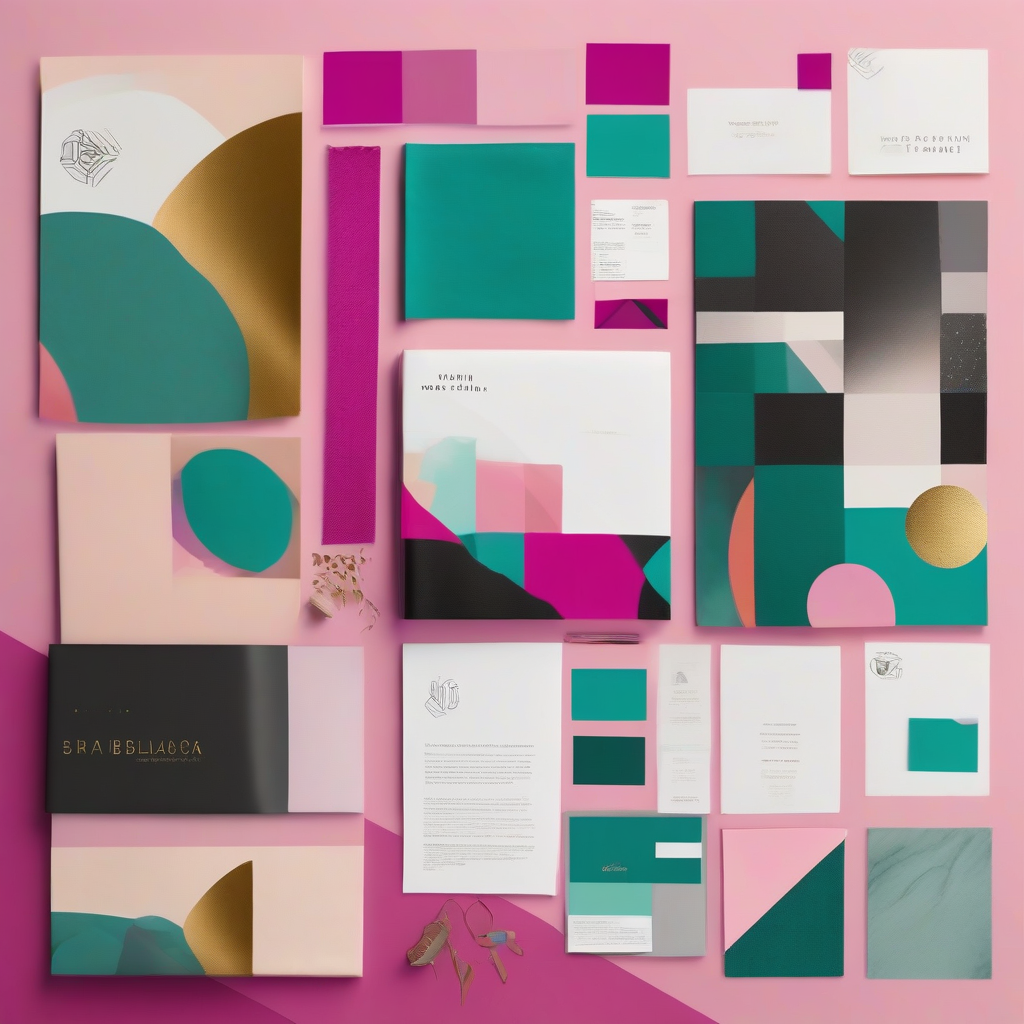
A company's visual identity encompasses the visual language used to communicate who you are: your logo, typography, color palette, imagery guidelines, and UI component styling. Over time, businesses expand into new markets, add services, or simply outgrow the design choices made during their early stages. When this happens, a visual mismatch emerges between what the business offers today and how it presents itself to the world.
Executing a successful rebranding visual identity project does not mean discarding your current reputation or alienating your audience. Instead, it involves evaluating how well your visual assets reflect your strategic direction, identifying friction points, and deliberately modernizing your aesthetic to serve your broader operational goals.
Clear Signs It Is Time for a Visual Refresh
Knowing when to initiate a rebrand saves you from updating your design prematurely or waiting until visual neglect actively hurts your conversion rates. The first common indicator is visual drift. If your sales presentations, website, and social media templates all appear to come from different companies, your current design system is failing to provide adequate structure.
Another sign is platform obsolescence. Many logos and graphic assets created years ago were designed primarily for print or desktop viewing. If your mark does not render legibly as a small mobile favicon, app icon, or responsive website header, you are dealing with a functional liability rather than just an aesthetic preference.
Finally, product or audience evolution often demands a visual pivot. If your target market has matured from early-stage hobbyists to enterprise procurement teams, or if your core services have shifted significantly, your original visual cues may convey the wrong level of credibility or price point.
Evolution vs. Revolution: Choosing Your Scope
Before beginning design work, decide whether your brand requires a refresh or a full overhaul. A refresh retains established recognition while resolving practical flaws. This might involve cleaning up typographic hierarchy, adjusting color contrast ratios to meet web accessibility standards, and simplifying a complex logo mark so it performs better on digital screens.
A full rebrand, by contrast, is necessary when your core business model has transformed, when you are escaping an outdated market perception, or following an acquisition. This path typically introduces a new logo, complete color palette replacement, and updated messaging. For most established companies, an evolutionary refresh is the smarter, lower-risk path because it preserves existing customer recognition while modernizing the overall experience.
A Step-by-Step Process for Updating Your Visuals
Begin with an exhaustive audit of your current assets. Collect screenshots of your website, marketing collateral, transactional emails, slide decks, and digital products. Group them side by side to see where inconsistencies exist. Note which elements have positive recognition among your customers and which look dated or create technical constraints.
Next, define your design constraints and strategic objectives. A rebrand should never be an exercise in personal taste. Establish specific goals, such as improving digital accessibility, streamlining production for marketing teams, or modernizing typography for digital-first reading. At Dany Brown Designs, we treat visual identity as a system built to solve functional communication problems rather than pure ornamentation.
Once goals are established, begin iterative design work. Test concepts across your primary customer touchpoints—particularly your website homepage, mobile screens, and core marketing pages—rather than reviewing a logo in isolation on a blank white artboard. Seeing identity assets in their native context prevents surprises later in the rollout.
Translating Your New Identity to the Web
Your website is typically the most visible and frequently updated expression of your visual identity. A successful redesign cannot be treated as merely pasting a new logo into an old header; it requires systematically updating your digital design tokens, including color palettes, font pairings, button styles, and spatial rhythm.
Pay special attention to interface contrast and legibility. Bold, saturated colors that work well on physical business cards can cause visual fatigue when applied across broad digital surfaces. When Dany Brown Designs plans digital identity rollouts, we translate core brand colors into accessible web palettes with defined background, surface, text, and accent states.
Document these rules in a centralized style guide or component library. When your internal team and external contractors have a single source of truth for visual guidelines, your new brand identity remains cohesive long after the initial launch.
Frequently Asked Questions
Q: How long does a visual identity refresh usually take? A: A focused visual refresh for an established small-to-medium business typically takes between six and twelve weeks. This timeline covers the initial asset audit, design exploration, systemization into brand guidelines, and preparing digital-ready assets for website implementation.
Q: Will changing our visual identity hurt our website traffic or SEO? A: An identity update by itself will not hurt your search engine rankings, provided your site structure, URLs, and core metadata remain stable. If your refresh includes a website redesign, keep page URLs and redirect mapping consistent to preserve your existing search equity.
Q: How do we roll out the new identity without confusing existing customers? A: Focus on clear, consistent execution rather than a theatrical launch campaign. Update your primary digital channels—website, social profiles, and email templates—simultaneously so users encounter a unified experience. A brief, transparent note or blog post explaining that you have refreshed your look to better reflect who you are today is usually all the explanation your audience needs.
- Branding
- Visual Identity
- Web Design
- Brand Strategy
Ready to build something that converts?
Get a free proposal from Dany Brown Designs—clear scope, transparent packages, reply within 24 hours.